Um es gleich vorweg zu sagen: Mit diesem Beitrag möchte ich keine Diskussion über den Ukraine-Krieg entfachen. Es geht mir hier um ein Innovationsverständnis, dass nicht mehr zeitgemäß ist. In einem Interview mit The Atlantic hat sich Armin Papperger, Chef der Rüstungsunternehmens Rheinmetall, abfällig über die Drohnenproduktion in der Ukraine geäußert:
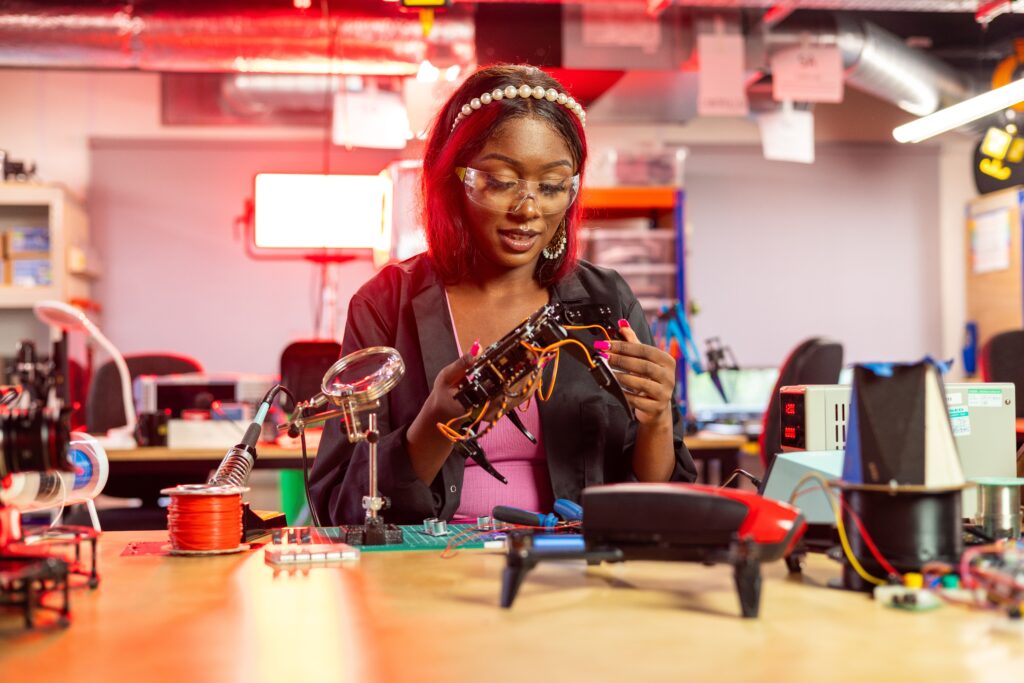
»Sie haben 3D-Drucker in der Küche und stellen Drohnenteile her. Das ist keine Innovation.« (Spiegel vom 30.03.2026: Rheinmetall-Chef bezeichnet ukrainische Drohnenhersteller als »Hausfrauen«).
Wenn jemand also mit Hilfe eines 3D-Druckers in seiner Küche Bauteile (hier für Drohnen) herstellt, kann das nicht als Innovation bezeichnet werden. Dieser Satz ist bezeichnend für ein Innovationsverständnis, das auf Schumpeter zurückzuführen ist, und Innovationen von Unternehmen, Organisationen, in den Mittelpunkt stellt. Dieses Producer Innovation Paradigm wurde allerdings in der Zwischenzeit erweitert.
Möglicherweise ist es Herrn Papperberger entgangen, dass es seit 2018 eine Definition von Innovation gibt, die ausdrücklich auch „houshold innovations“ beinhaltet – also auch ein User Innovation Paradigm. In meinem Paper zur MCP 2026 habe ich dazu folgendes geschrieben:
„A notable expansion of this perspective was provided by the OECD/Eurostat (2018, p. 32): “An innovation is a new or improved product or process (or combination thereof) that differs significantly from the unit’s previous products or processes and that has been made available to potential users (product) or brought into use by the unit (process).” Furthermore, this definition clarifies: “The generic term ‘unit’ describes the actor responsible for innovations. It refers to any institutional unit in any sector, including households and their individual members“ (Freund, 2026).
Eric von Hippel hat dazu in seinen Veröffentlichungen Democratizing Innovation (2005) und Free Innovation (2016) ausführlich dargelegt, wie wichtig die Household Innovations in der Zwischenzeit geworden sind. Herr Papperger sollte sich die von mir genannten Quellen, insbesondere die OECD/Eurostat-Definition aus dem Jahr 2018 ansehen, um wieder auf dem aktuellen Stand der Innovations-Diskussion zu sein.
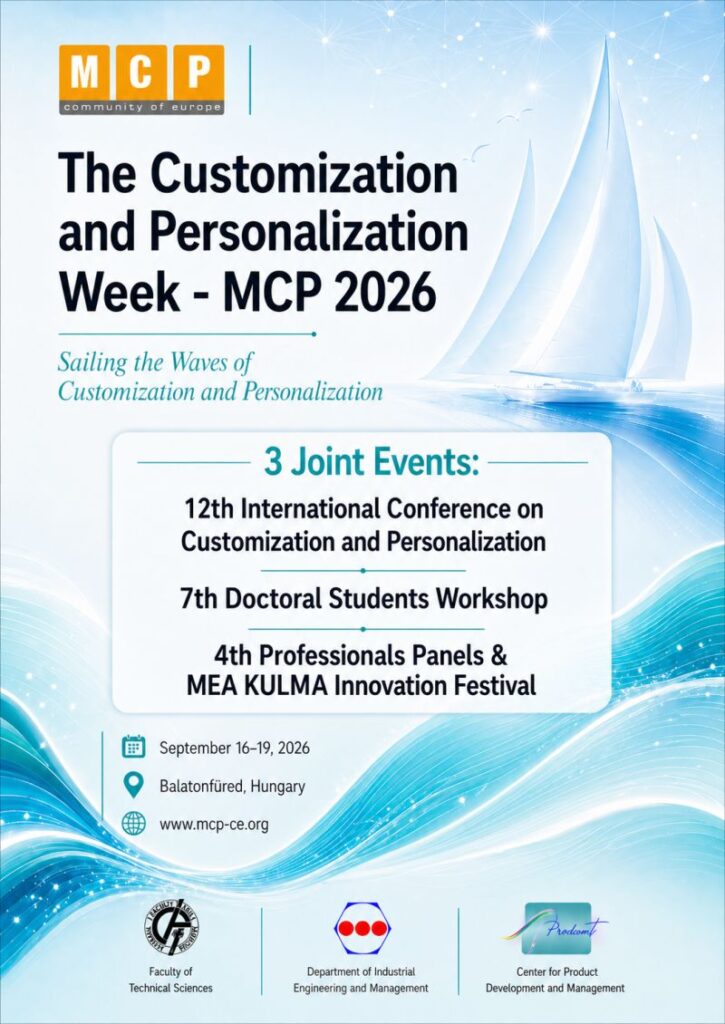
Auf der MCP 2026 (16.-19.09.2026, Balatonfüred, Ungarn) gehe ich darauf in einem Paper ein:
Open-Source AI for Open User Innovation: Designing a Personal Fabrication Framework
Mein zweites Paper:
Digital Sovereignty and Open-Source AI: The European Way for Innovative SMEs
